
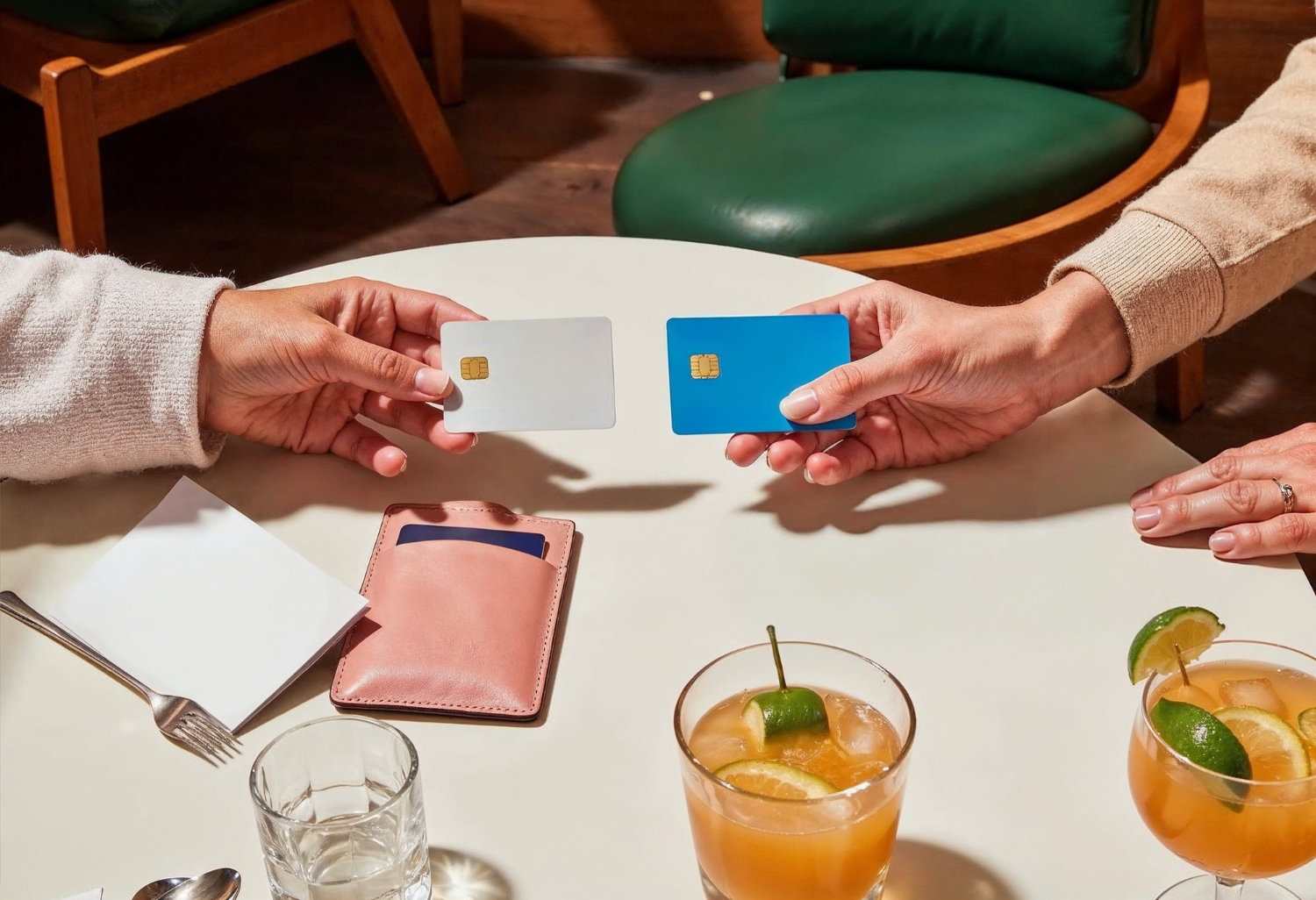

In the evolving landscape of professional networking, the exchange of contact information has quietly undergone a revolution. Gone are the days of fumbling through pockets for a paper card only to have it discarded or forgotten.
As we move through 2026, the convergence of sustainability concerns and smart technology has cemented Near Field Communication (NFC) business cards not as a novelty, but as a fundamental tool for the modern professional. For those looking to make a smart, lasting impression, investing in the best NFC business cards is no longer a forward-thinking move—it’s a present-day necessity. This shift represents more than just digital convenience; it is a holistic reimagining of networking that prioritizes ecological responsibility and long-term economic sense.
The Environmental Imperative: Networking Without Waste
The environmental argument for adopting NFC cards is compelling and aligns perfectly with the global push towards circular economies and waste reduction. Consider the traditional lifecycle of a paper business card: it requires logging, pulping, bleaching, printing, and shipping, only to be used for a few seconds before often ending up in a landfill. Millions of cards are printed daily, with a staggering percentage discarded within a week.
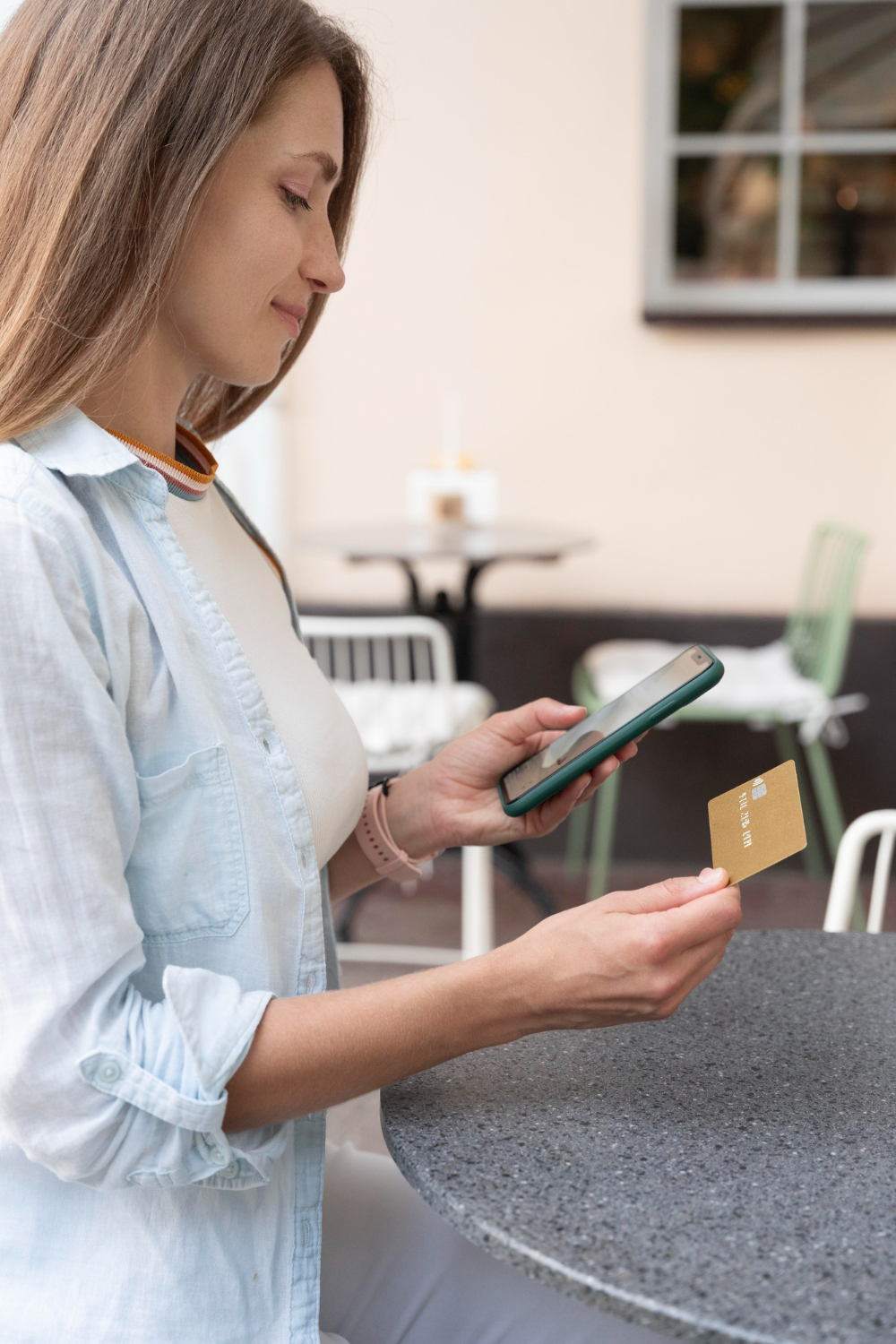
NFC cards, typically made from recycled plastics, biodegradable materials, or even sustainable wood composites, are designed for permanence. A single card is dynamically updateable and reusable for years, effectively eliminating the need for reprints due to role changes or updated information. This drastic reduction in physical waste and the associated carbon footprint from production and disposal is a tangible step towards greener business practices. In 2026, a company’s environmental, social, and governance (ESG) credentials are scrutinized by partners, investors, and consumers alike; using sustainable networking tools is a subtle yet powerful signal of genuine commitment.
The Long-Term Economics: One Investment, Infinite Updates
Complementing the green advantage is the undeniable cost-effectiveness of NFC technology over time. The initial per-unit cost of an NFC card is higher than that of a basic paper card. However, this perspective shifts when analyzed through a long-term lens.
Paper cards necessitate constant reordering—every promotion, every phone number change, every website redesign triggers a new print run. This cycle represents a recurring and unpredictable expense. An NFC card, once in hand, is a one-time investment. All information is stored digitally and can be updated instantly, in real-time, via a simple cloud-based dashboard.
Forgot to add a new certification? Changed your office location? No need to panic or waste boxes of obsolete cards. A quick edit ensures your existing contacts and every new person you meet always accesses your current details. This dynamic capability transforms your networking tool from a static snapshot into a living, evolving extension of your professional brand, all while locking in your networking budget.
Beyond the VCard: The Smart Networking Experience of 2026
The functionality of NFC cards in 2026 extends far beyond a simple digital vCard. The user experience is elegantly simple: one tap of a smartphone instantly triggers a pre-programmed action. This seamless interaction is where the magic happens for relationship-building.
Instead of just sharing a phone number, you can direct a new contact to a specific portfolio, a latest promotional video, a calendar link to schedule an appointment, or a special welcome offer. This level of targeted, immersive engagement is impossible with paper. Furthermore, the analytics provided by the backend platform offer invaluable insights. You can see who tapped your card, when, and which links they interacted with. This data moves networking from a game of chance to one of strategy, allowing for thoughtful, timely follow-ups based on genuine interest. You’re not just sharing information; you’re starting a tracked, measurable interaction.
A Statement of Professional Identity
In the context of 2026’s hyper-connected, experience-driven economy, the perception tied to using NFC technology is profound. Presenting an NFC card immediately positions you as tech-savvy, innovative, and environmentally conscious. It becomes a conversation starter in itself, demonstrating a commitment to efficiency and modern solutions. This enhanced professional image can be a key differentiator in competitive fields, making you and your business more memorable. The tactile design of many best NFC business cards also allows for high-quality, minimalist aesthetics that convey premium branding without the need for expensive foiling or specialized printing techniques on paper.
The Future is Integrated
As we look ahead, the integration of NFC cards is set to become even more sophisticated. With the proliferation of the Internet of Things (IoT), we can expect these cards to interact with smart office systems, event check-ins, and personalized digital environments. The underlying principle remains: a durable, reusable device that facilitates seamless digital exchange. Choosing the right provider is crucial for harnessing this potential, which is why professionals are increasingly seeking out platforms known for the best NFC business cards that offer robust software, durable hardware, and intuitive design interfaces.
Conclusion:
The rise of NFC business cards in 2026 is driven by a powerful synergy of ecological imperative and shrewd economic logic. They address the urgent need to reduce waste and resource consumption while providing a superior, cost-controlled, and data-enriched networking mechanism. They are more than a paper alternative; they are a dynamic platform for professional identity.
For businesses and individuals aiming to network responsibly, efficiently, and effectively, adopting NFC technology is a clear, impactful decision. It’s an investment in a sustainable professional practice that pays dividends in saved resources, deepened connections, and a forward-thinking brand image. The future of networking is not in the pocket; it’s in the tap.
