


Auction history can be traced back in Ancient Greece where beautiful stuff fetched considerable prices. During the Great Depression, this is done by people who were forced to liquidate their holdings to buy food and now, with the growth of technology, computers have enabled auctioneers to have better efficiency in their trade.

In the past, live auctions were very popular because they were engaging. People go to a specific place to check the actual items that are for sale, and the bids are happening in real time. Today, the internet has made timed auctions possible, and the formats are different from each other, and you can see more about this here. People should understand the differences that can help a lot of collectors to choose one that’s comfortable to them.
How a Timed Auction Works?
These deals run online, where bidders check the lots for sale and create bids from their computers. Generally, there’s little production that’s going on because auctioneers are not needed. Software is used to handle the offers, and the lots can be available for a time period, usually up to a couple of weeks.
Those who want to offer maximum bids are prioritized by the computer, but there can be an extension for those who are placing offers near the end to make sure that it’s a fair competition for all. A timed auction will have a certain floor requirement, where if a price is not reached on a specific item, it’s going to be considered not sold.
Contracts are made when the buyer leaves their offer, and it’s accepted by the system. It’s usually the case with the current high bids, and the bond is enforceable until higher amounts are placed. Generally, this type from Gold Standard Auctions gives buyers some space to reassess their interest, and it will prevent them from reacting impulsively. Some might watch how the offers can increase over time, and these offers give them a bird’s eye view of the market’s sentiments.
Exploring Live Auctions and Their Unique Appeal
In-person event auctions are going to be bigger in production. There will be an individual responsible for accepting bids or rejecting them. The event opens during an announcement that an item is available, and it closes the minute the auctioneer pronounces the lot as sold. Absentee bids are left beforehand, but this is only an offer, and the conductor still has the final say.
What are the Usual Coins that are for Sale?
Many may find historic coins that come from all over the world, and some are considered antiques. Certified graded coins authenticated by the NGC, like proof issues, may also be available for sale in Gold Standard Auctions, but there are other options as well.
Commemorative issues with limited mintage are sought after because of their unique designs, while collector-oriented sets are up for grabs to niche buyers. The very rare ones (https://www.wikihow.com/Find-Rare-Coins) that usually come up when there’s an estate sale can fetch premium prices, and they may sell more than their face value, so one should really study the market trends.
Other Tips when Buying the Coins
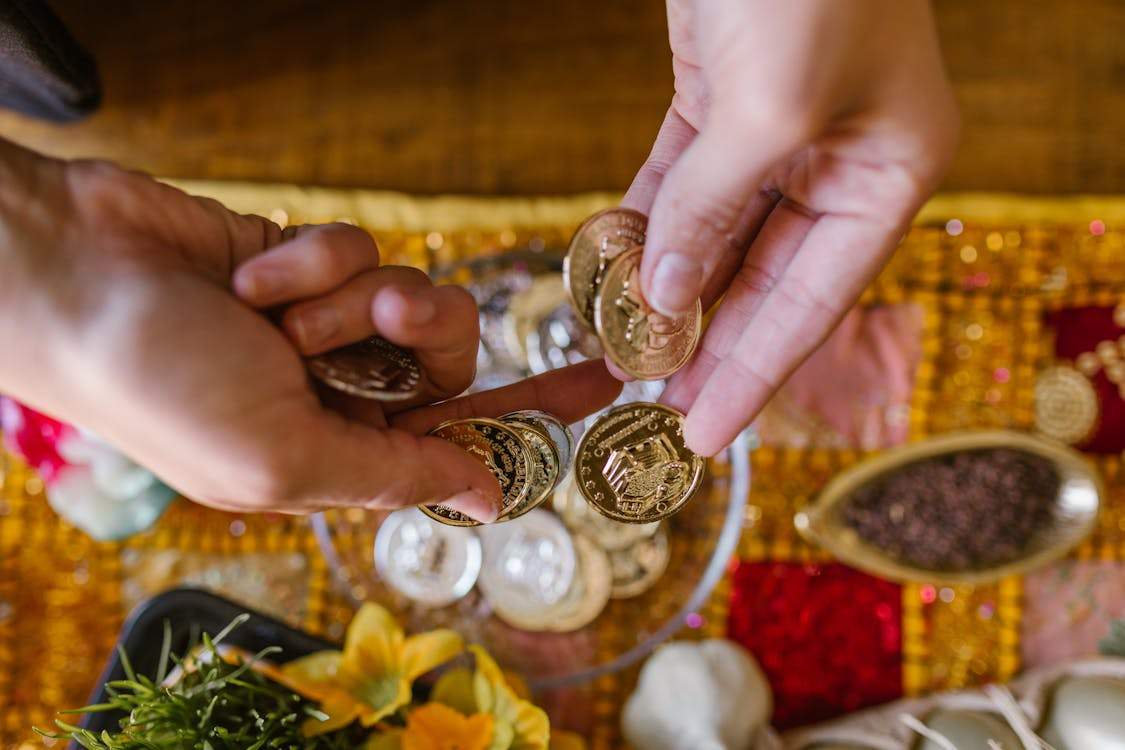
First-time buyers should be clear about their goals for why they’re placing bids for coins in the first place. It’s best for them to determine whether they are investing for the long-term or they are looking for the bullion’s resale potential.
The ones that were certified by PCGS can indicate authenticity, and this makes reselling them easier. Research also the coin listings like their different grades. The lower mintage is generally a better choice, and you see more of their year. If there are cleaning marks, some bullion can sell at a lower price in the future, so look at the photos carefully.
Auctions may not always offer the best deals, so you need to do some research and look at the past sales of the particular coin that you’re interested in. Don’t just be driven by hype and overbid but decide your maximum budget. There can always be another coin, and discipline matters more if you want to get the best prices.
Choosing the Right Auction Format for Your Collecting Style
Each format of auction can generally suit one’s personal preference, but you need to make sure that you bid without pressure. Take the time to decrease any emotional intensity that you may feel before joining a competitive bidding and align your strategy with your long-term goals.
Seasoned collectors may prefer the live ones because they are able to make fast decisions. They know that this type is going to happen fast, as set by the auctioneer, and those who are already able to trust their instincts can instantly react when they see some unique deals that they’re already looking for.
Highly competitive lots are going to attract a lot of people regardless of the format, but you can register as an absentee bidder if you have allocated a certain limit on a coin. This prevents thrills, and this allows you to have more control of your funds. Slower formats can be great for those with patient temperaments, but the choice is going to ultimately depend on you.
Just make sure that you’re going to verify the credibility of the platform when you register as a bidder. Always be aware of their terms and their dispute policies, and don’t skip this step because it’s going to become handy when you’re sold a counterfeit. Also, start small and just bid with a few increments before directing to expensive lots, but just make sure that you’re enjoying the entire process.
Knowing More about the Payments
Understand the fees that you’re paying for to be on the safe side and stay in the platform. Never do third-party deals and avoid wire transfers as much as possible. Afterwards, take screenshots saying that you won a specific lot and monitor your account to see if the high-value item has already been shipped. Only register to those sites with professional affiliations backed by excellent reviews.
