
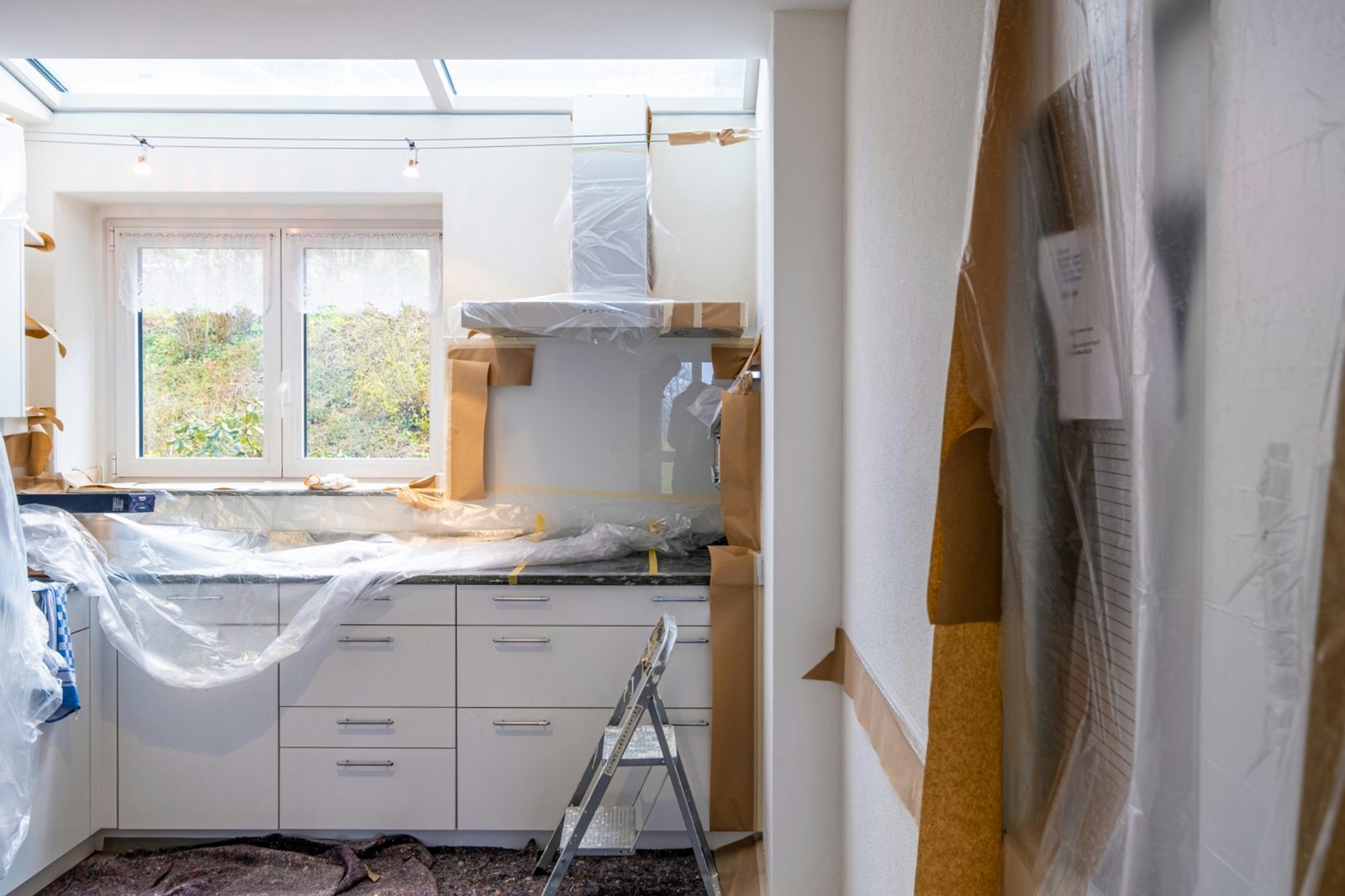

A home renovation can be one of the most rewarding investments you make, but it can also become very stressful without a solid financial plan. Transforming a space to better suit your needs adds daily enjoyment and can significantly increase your property’s value. The key to a successful project isn’t just about the design choices you make, but also the budget you create and stick to. Thoughtful financial planning ensures your renovation dreams don’t turn into a financial nightmare.
Setting Realistic Renovation Budgets
The first step in any renovation is figuring out what you can realistically afford. Start by getting a clear picture of your finances and determining a total amount you’re comfortable spending. A common mistake is creating a budget that only accounts for the visible costs. A robust plan must include a contingency fund, typically 10% to 20% of your total budget, to cover unexpected issues that inevitably arise, like hidden water damage or outdated wiring. If you don’t have the full amount saved up, exploring mortgages and loans to pay for home renovations can help you bridge the gap without derailing your finances.
Research is your best friend at this stage. Get quotes from multiple contractors and look up the average costs for materials in your area. This homework helps you create a line-item budget that details every expected expense. Having a clear plan for budgeting for home renovations from the start gives you control and prevents costs from spiraling.
Where to Invest for Durability
When deciding where your money should go, prioritize the “bones” of the house. These are the structural and functional elements that ensure your home is safe, sound, and efficient. While less glamorous than a new kitchen backsplash, investing in high-quality roofing, energy-efficient windows, updated electrical systems, and solid flooring provides the best long-term return.
These foundational improvements protect your home from the elements and prevent far more expensive repairs down the road. A new roof might not be as exciting as a spa-like bathroom, but it saves you from the catastrophic costs of water damage. Focus your initial investment on durability and function. You can always tackle cosmetic updates later, but a solid foundation is non-negotiable for a smart renovation. It’s also worth understanding the difference between a home warranty and home insurance, since knowing which one covers what can save you from an unpleasant surprise after the renovation is complete.
The Value of Quality Fixtures
While structural elements are crucial, the items you see and touch every day greatly impact your enjoyment of the space. Investing in quality fixtures is a smart way to elevate the look and feel of a room without breaking the bank. These high-impact items include faucets, cabinet hardware, door handles, and light switches.
For example, in a bathroom remodel, the choice of lighting can completely change the atmosphere. Well-placed, high-quality bathroom wall lights can make a small space feel larger and more luxurious. These are the details that signal quality to potential buyers and make your home feel more polished and custom. Skimping on these items can make an otherwise expensive renovation feel cheap, so allocate a reasonable portion of your budget to these finishing touches.
Avoiding Costly Mistakes
A well-planned budget can quickly be derailed by a few common missteps. One of the biggest budget-killers is changing your mind mid-project. Finalize your design plans, materials, and finishes before any work begins. Change orders from contractors are expensive and cause significant delays.
Another mistake is failing to get the necessary permits. Skipping this step might seem like a way to save time and money, but it can lead to fines, forced removal of completed work, and major issues when you eventually sell your home. Finally, always get at least three detailed quotes from vetted contractors. This not only helps you find a fair price but also gives you a better sense of the project’s scope. There are many simple ways to maximise your renovation budget that primarily involve careful planning and avoiding common errors.
Tracking Your Renovation Spending
Creating a budget is only half the battle, sticking to it requires diligent tracking. Use a simple spreadsheet or a budgeting app to log every single expense, no matter how small. Categorize your spending according to your initial line-item budget, for example, plumbing, electrical, tile, or paint.
Set a weekly reminder to review your spending against your budget. This allows you to catch overages early and make adjustments before they become a major problem. If you overspend in one category, you’ll need to find savings in another to stay on track. This constant monitoring is what keeps your project on financial rails and ensures your contingency fund remains available for true emergencies.
A well-budgeted renovation is an investment in your home’s future and your own quality of life. With careful planning and disciplined tracking, you can achieve the results you want without the financial stress.


1 Comment
Pingback: Creating a Healthy Balance Between Screen Time and Real Life - Moneydisquantified.org