


This guide ranks the top tools for improving credit scores across Canada, comparing monthly fees, reporting speed, and ease of use to help you find the right fit.
| Name | Photo | Pros | Cons | Pricing |
|---|---|---|---|---|
| KOHO |  |
|
|
$0 – $14.75/mo |
| Borrowell | 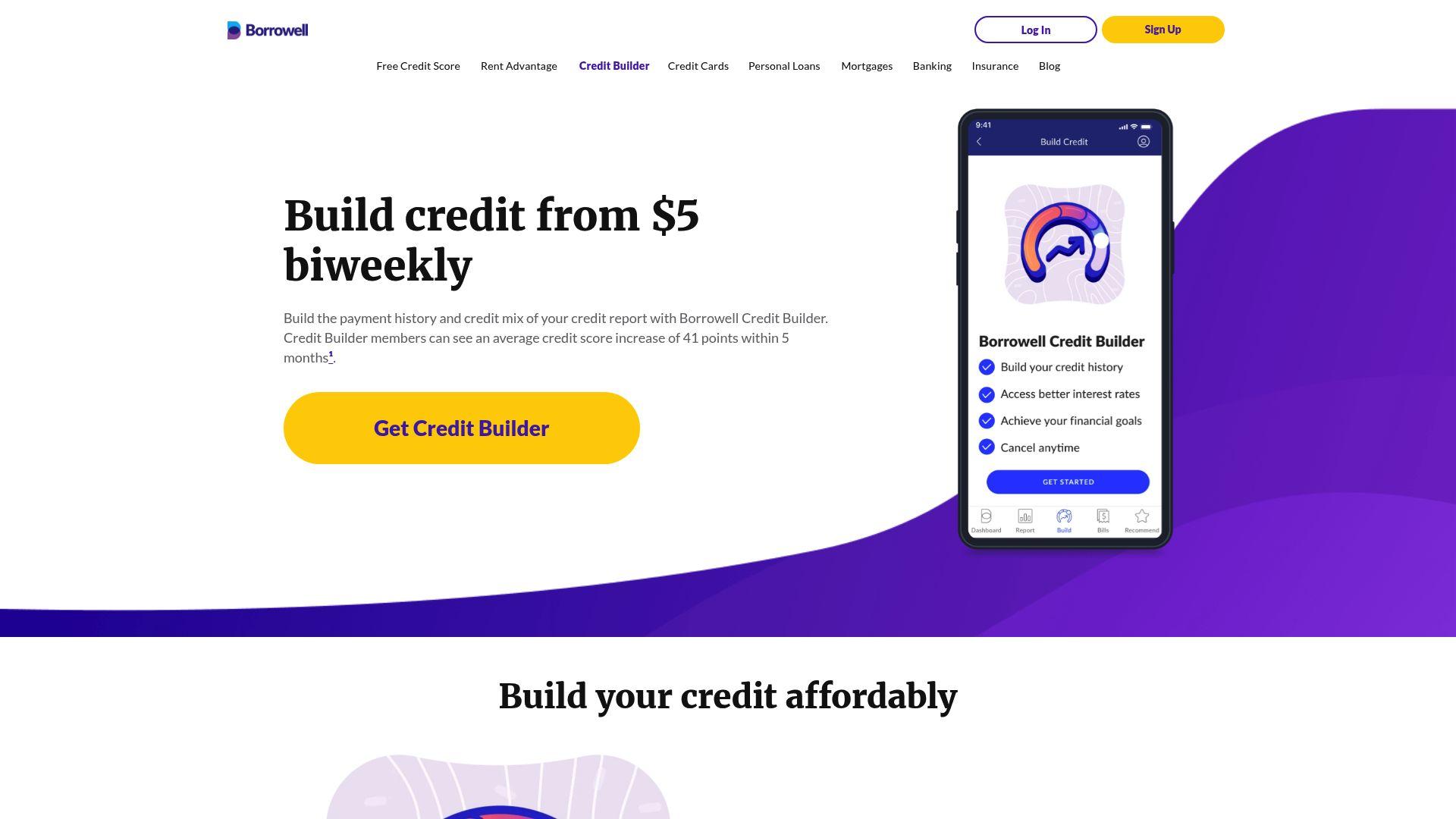 |
|
|
$5 – $25/biweekly |
| Nyble | 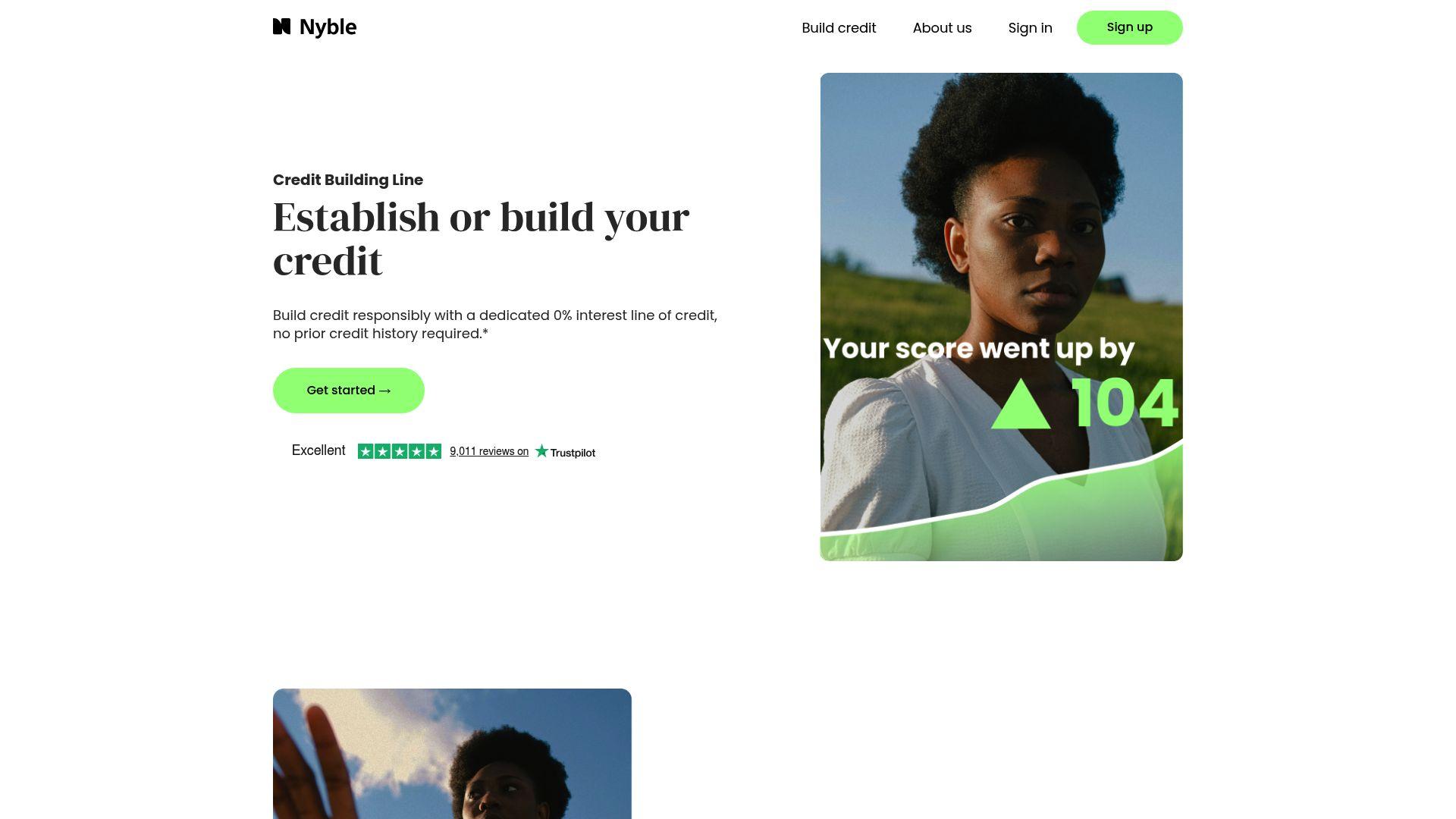 |
|
|
$0/mo |
| Neo Financial | 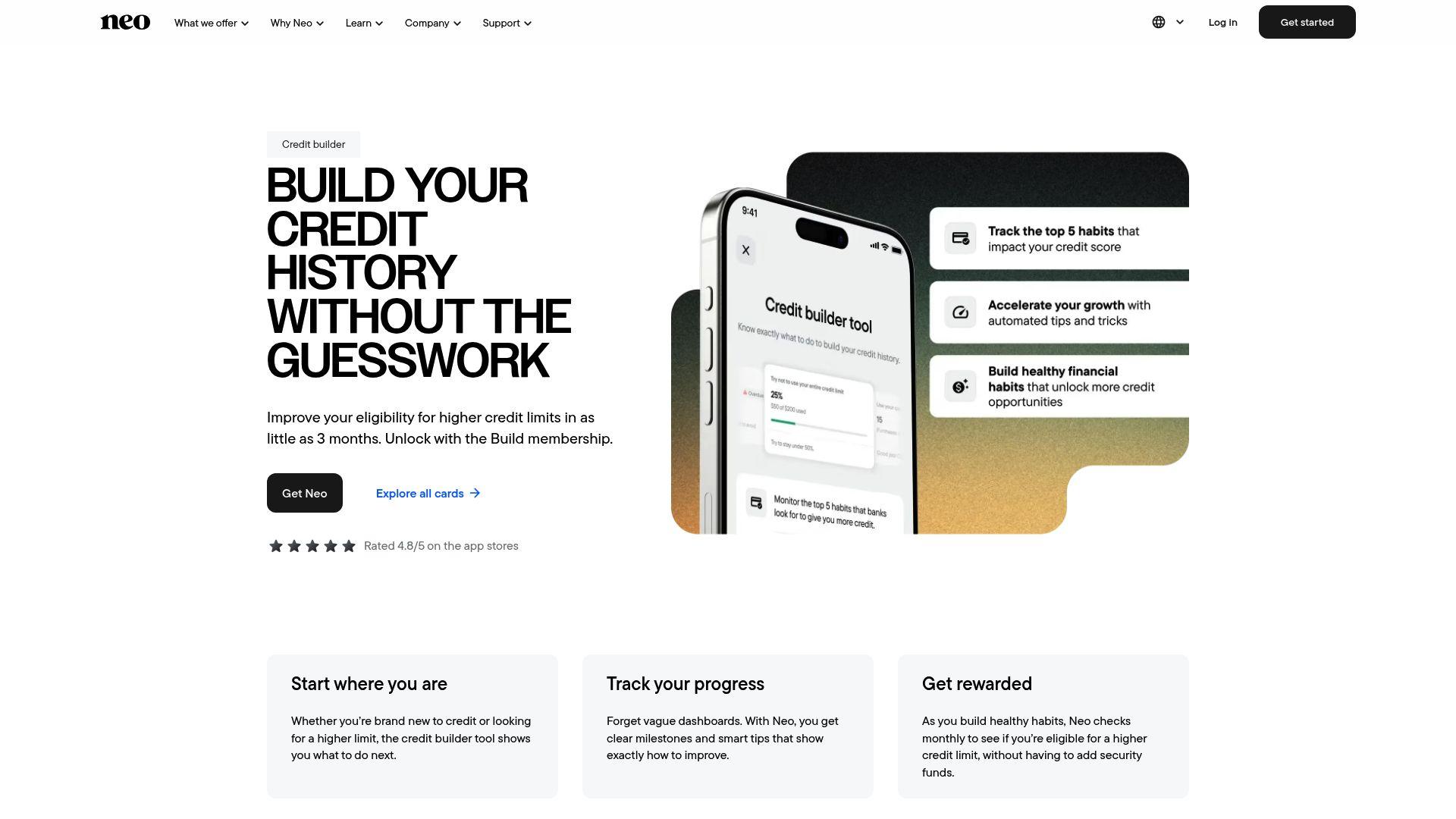 |
|
|
$0 – $12.99/mo |
| Credit Karma | 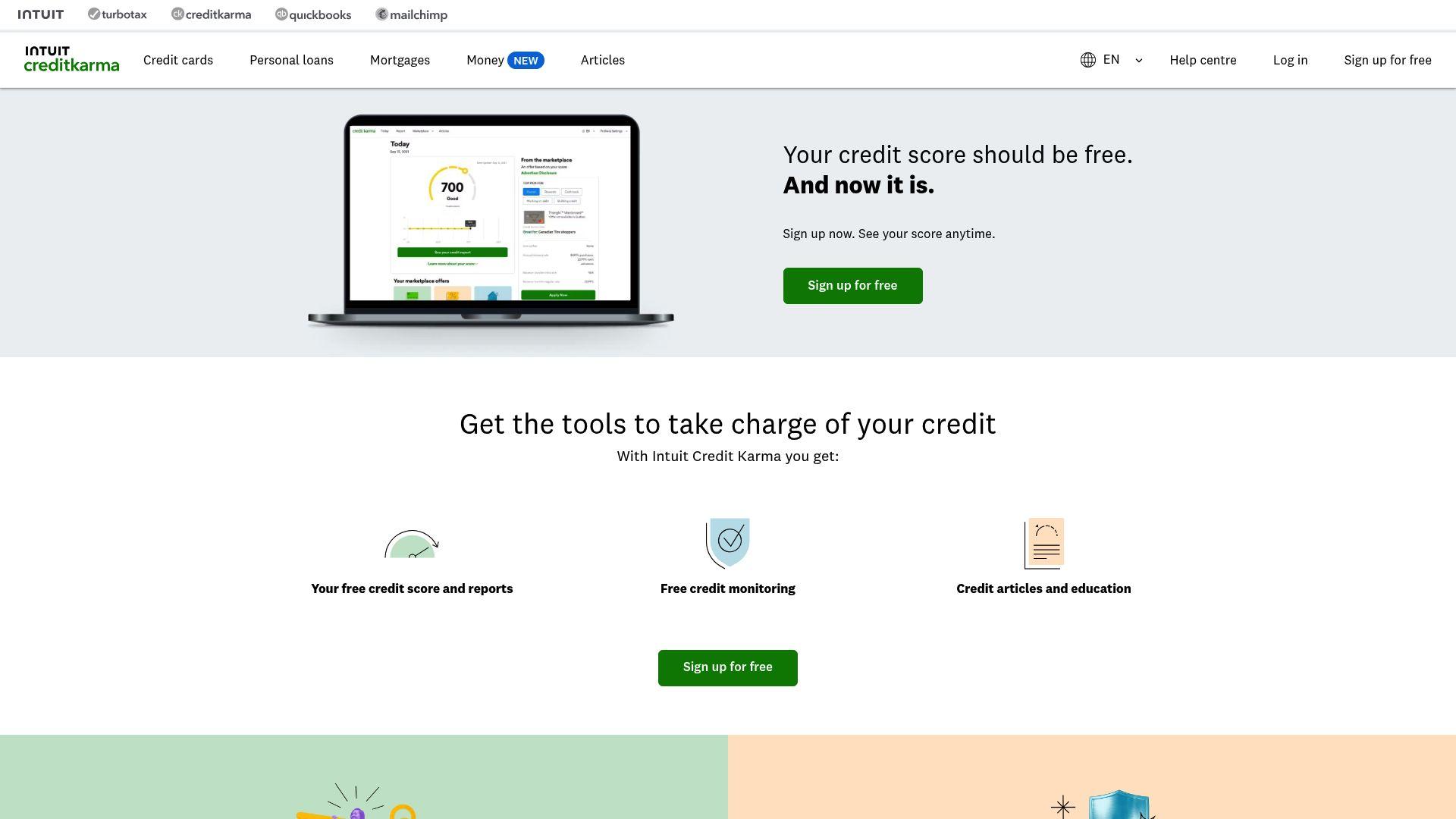 |
|
|
Free |
Nearly half of Canadians now use online or challenger banks for their everyday finances. That’s not a blip. It’s a full-on shift away from the big legacy institutions, and it’s most visible among people trying to build (or rebuild) a financial profile without stumbling into a high-interest trap.
Traditional secured credit cards tie up your cash and punish small mistakes with outsized penalties. Builder loans can pile on financial strain rather than ease it. So what’s the alternative? A new crop of fintech apps using tradelines, rent reporting, and zero-interest advances to help Canadians get traction without the baggage.
Before you commit to a monthly subscription, though, it pays to understand how these tools actually differ from old-school products. The most effective platforms create a verifiable tradeline with Equifax, TransUnion, or both, directly boosting the payment history metric that drives a huge chunk of your credit score. The best apps fold into your daily routine; you spend, save, and build your profile all at once.
Not sure which one’s worth your money? Here’s a look at the five leading options available in Canada right now, ranked by fees, reporting speed, and real-world value.
KOHO

KOHO is a Canadian fintech platform that blends everyday spending with credit building tools. You get a prepaid Mastercard that earns cash back, plus a dedicated interest-free tradeline that reports to major bureaus. Over 400,000 Canadians have used the system to start building a real financial history.
The platform targets people who want to strengthen their profiles without racking up compounding debt from traditional lenders. There are no conventional deposits or harsh borrowing fees to worry about, which makes it a realistic entry point for newcomers, students, and anyone recovering from past credit problems. Even your grocery runs and transit trips count as small steps toward a stronger score.
The Bull Case
The biggest draw here is guaranteed approval with no hard credit check. If you’ve got a thin file or a few past missteps, you won’t face the instant rejection that major banks are known for. And the zero-interest structure on the tradeline means you’re not digging a hole while you build.
Internal data shows that 150,000 active members saw an average score increase of 93 points over 12 months. “Interest-free, consistent monthly reporting is the safest mechanism for consumers to build a strong financial identity without the risk of spiraling debt,” notes a product specialist at the company. On the $14.75 premium plan, you’ll get a 50% discount on the builder service plus solid cash-back rewards. For many users, that means the subscription pays for itself through daily spending.
The Bear Case
While there’s a free tier with qualifying deposits, getting the most out of the cash-back and builder discounts means paying a monthly fee. You’ll need to assess whether your spending habits justify that cost honestly. If the prepaid card just sits in your wallet, the subscription becomes a net loss.
Canada’s Retail Payments Supervision Act is also worth keeping an eye on; as regulation catches up to fintech, it’s smart to stay informed about the compliance status of any platform you use. And if you stay on the free tier, you’ll miss out on the accelerated savings rates and discounted tools that make the ecosystem click.
Key Metric: 0% interest rate on the credit builder line
Borrowell
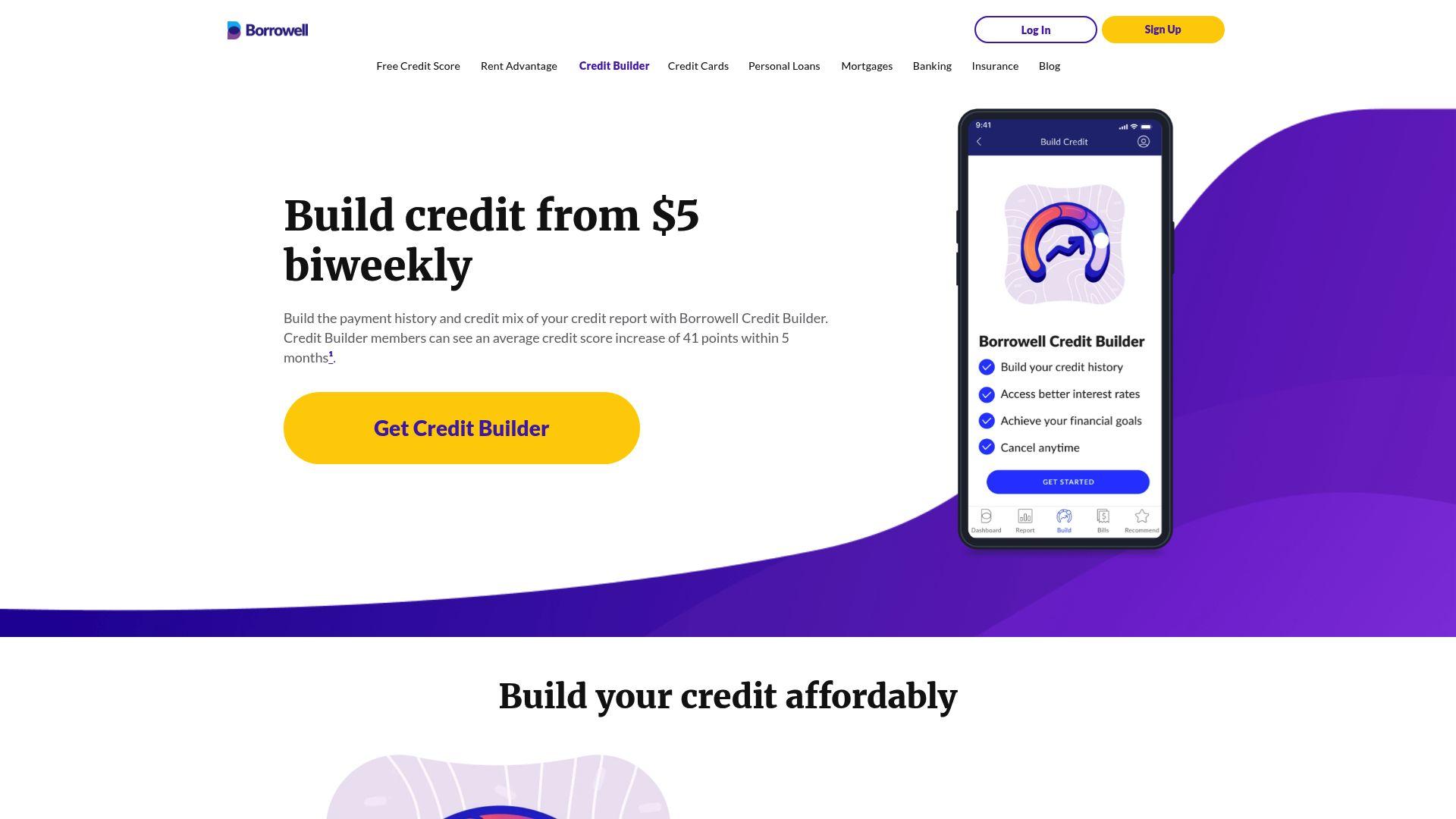
Founded in 2014, Toronto-based Borrowell has grown into one of Canada’s biggest fintech players. It primarily serves as an educational hub and product marketplace, offering a builder installment loan that helps users build a solid payment history. Over three million Canadians use the app to track their financial health and compare lending rates.
Members make biweekly payments of $5, $15, or $25 over a 48-month term, and those payments report directly as an installment loan. It’s a structured, predictable path for anyone who values consistency over speed.
The Bull Case
With millions of users, the platform benefits from a polished experience backed by deep data. The 48-month installment loan targets the payment history portion of your score, which is the single most influential factor. Biweekly payments align well with standard Canadian payroll cycles, making it easy to budget around them.
Borrowell also pioneered a feature that lets you report monthly rent directly to the bureau, similar to emerging rent-guarantee programs from other companies. That’s a big deal; rent is often a person’s largest monthly expense, and until recently, it didn’t count toward your score. Plus, you get free weekly score monitoring to track your progress in real time.
The Bear Case
The main drawback? Borrowell only reports to Equifax. Your TransUnion file stays untouched, and that could matter when you’re applying for a mortgage or a competitive lending product that pulls from both bureaus.
There’s also a privacy angle to consider. Free monitoring services typically rely on affiliate marketing for revenue, and a proposed class-action lawsuit alleges that the platform repeatedly accessed a user’s file. Those allegations haven’t been proven in court, but they’re a good reminder to stay vigilant when connecting any third-party service to your financial data.
Key Metric: 3 million+ active members
Nyble
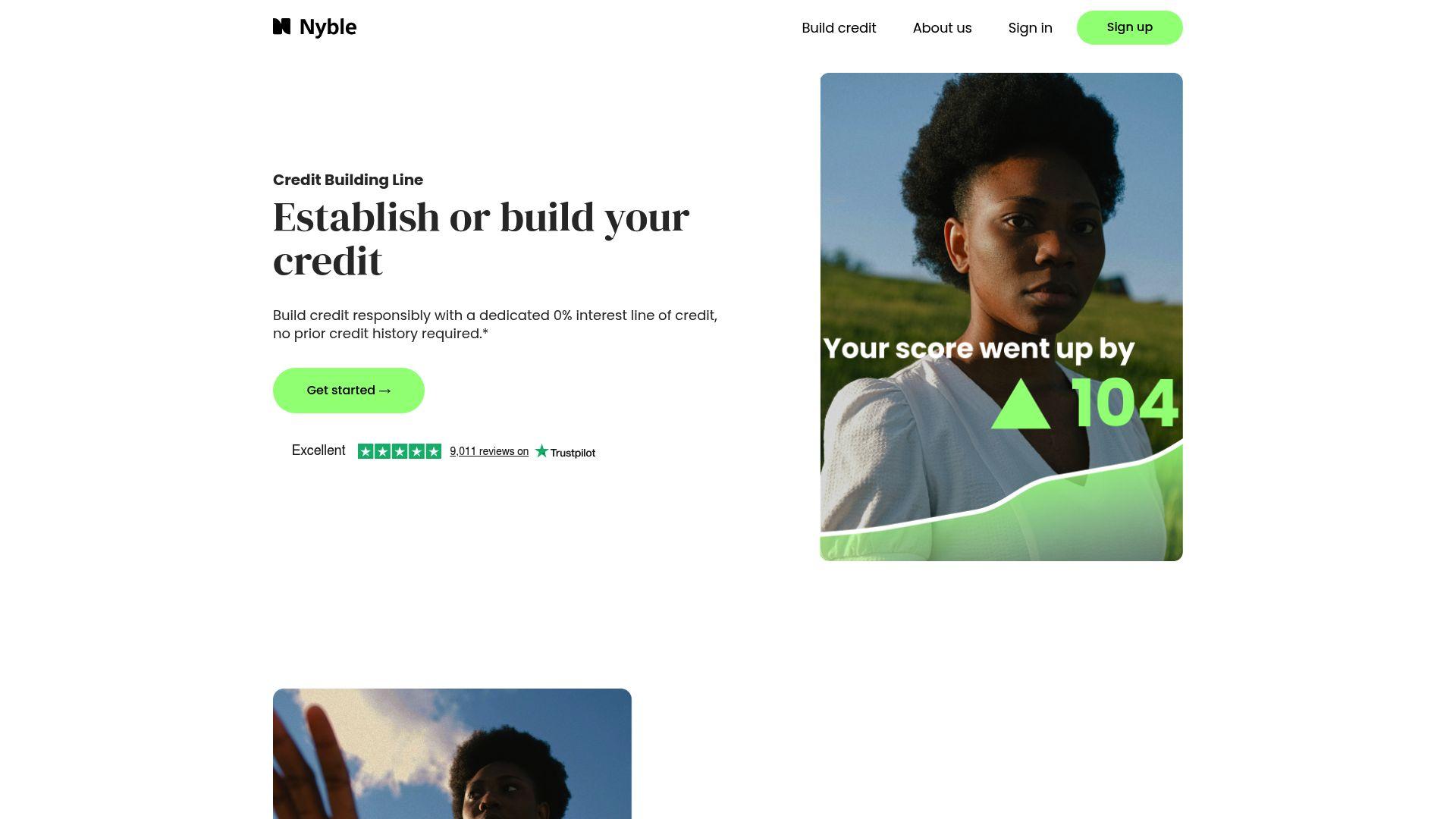
Launched in 2022 by Fincentify Inc., Nyble is a mobile app that offers small, interest-free advances to underserved Canadians. It connects to your bank account through secure protocols and assesses your financial health based on real-time cash flow, not outdated scoring models. Much like other new budgeting apps designed for the Canadian market, the emphasis is on accessibility and simplicity.
Approval doesn’t hinge on your current score, which makes this a realistic option for people with thin files or past difficulties. Credit limits range from $30 to $250; small enough to keep risk low, yet enough to cover a minor shortfall without resorting to predatory overdraft fees.
The Bull Case
The standout feature here is dual-bureau reporting. Every on-time payment is reported to both Equifax and TransUnion, so your progress shows up across the entire lending landscape. There’s zero interest and no hidden late fees, either.
No hard credit check is required during sign-up, so your existing score won’t take a temporary dip just for applying. Biometric security and secure data verification are built in, keeping things tight on the safety side. For someone starting completely from scratch, this combination of easy access and solid reporting is tough to beat.
The Bear Case
The credit limits are genuinely tiny. A $250 tradeline can establish positive payment history, sure. Still, it won’t do much for the utilization ratios that lenders look at when you’re applying for bigger products like unsecured loans or mortgages.
As alternative data companies push into rapid risk assessment, platforms relying on micro-advances could face stiff competition for long-term retention. And if you miss even one small payment, it’ll hit both bureaus simultaneously. Think of Nyble as a stepping stone, not a complete financial toolkit.
Key Metric: Dual reporting to both major Canadian bureaus
Neo Financial
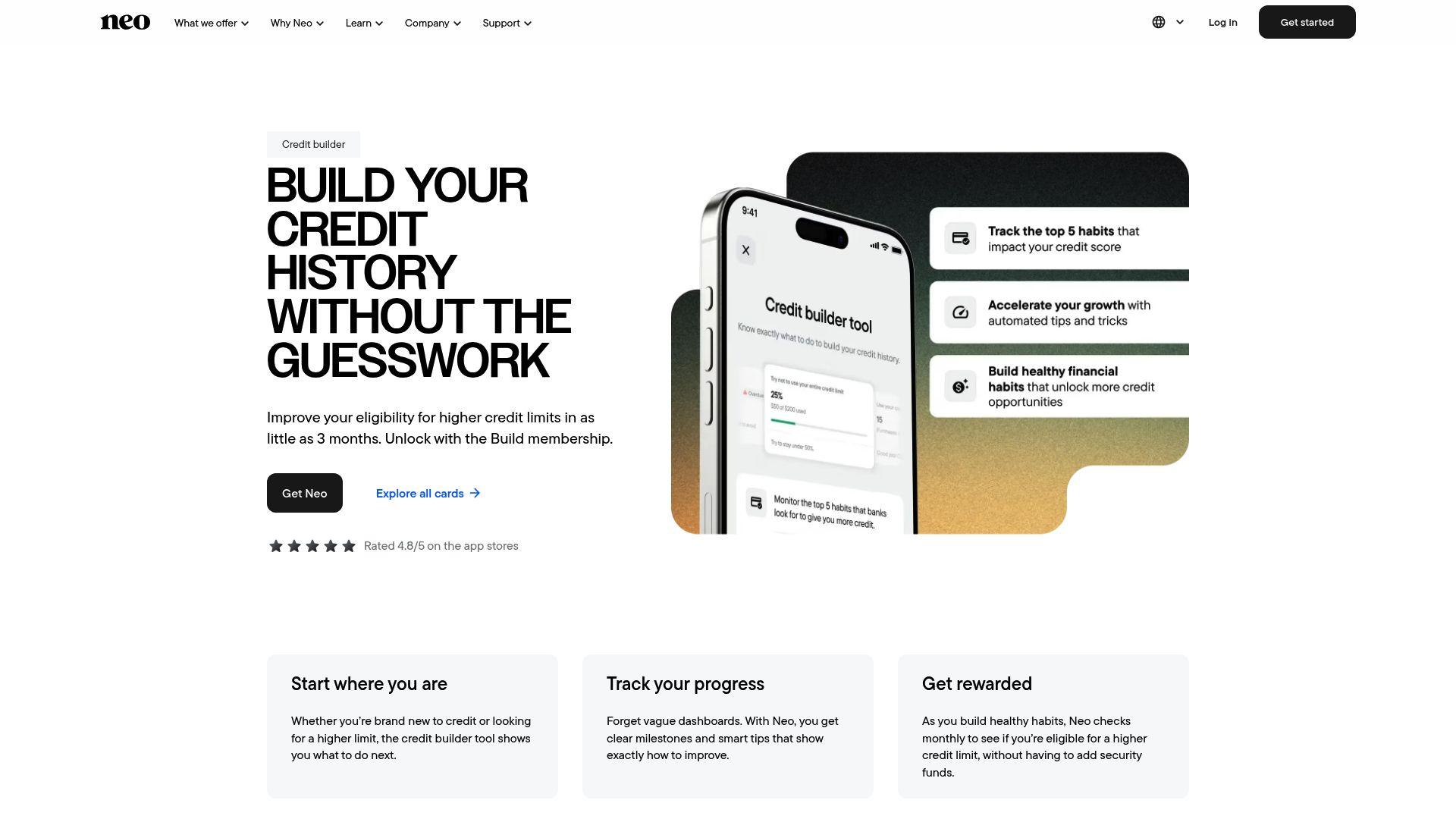
Headquartered in Calgary, Neo Financial partners with federally regulated institutions to offer a full digital banking suite: high-yield savings, mortgages, and reward-rich credit cards, all in a single app. With over $650 million in secured funding, the company has a serious runway to keep expanding.
As major credit unions launch digital overhauls to challenge the status quo, Neo sits squarely in that space. The app targets digital-native users who want to ditch their legacy bank entirely and manage everything from their phone.
The Bull Case
Through a partnership with Peoples Bank of Canada, deposits are CDIC-protected up to $100,000. That’s institutional-grade security layered on top of a modern, mobile-first interface. The tiered membership starts at free and tops out at $12.99 per month for a premium plan with accelerated savings features.
High-interest savings rates reach 3.0%, and the builder tool works hand in hand with the platform’s digital card. You earn cash back on everyday purchases, and if you lean into the ecosystem fully, those rewards can offset the subscription cost. Sound familiar? It’s the “super app” model in action.
The Bear Case
Neo’s builder tool depends on active credit card use rather than a standalone, passive tradeline. That demands discipline. You need to keep your balance-to-limit ratio low consistently, or your score could actually take a hit.
A recent customer backlash against another financial institution over hidden real-time balances illustrates just how much transparent UX matters for active card managers. Neo also runs hard inquiries for certain unsecured products, which can cause a temporary score dip. If you’re looking for a hands-off approach, this might feel like too much work.
Key Metric: $650M+ CAD in total funding
Credit Karma
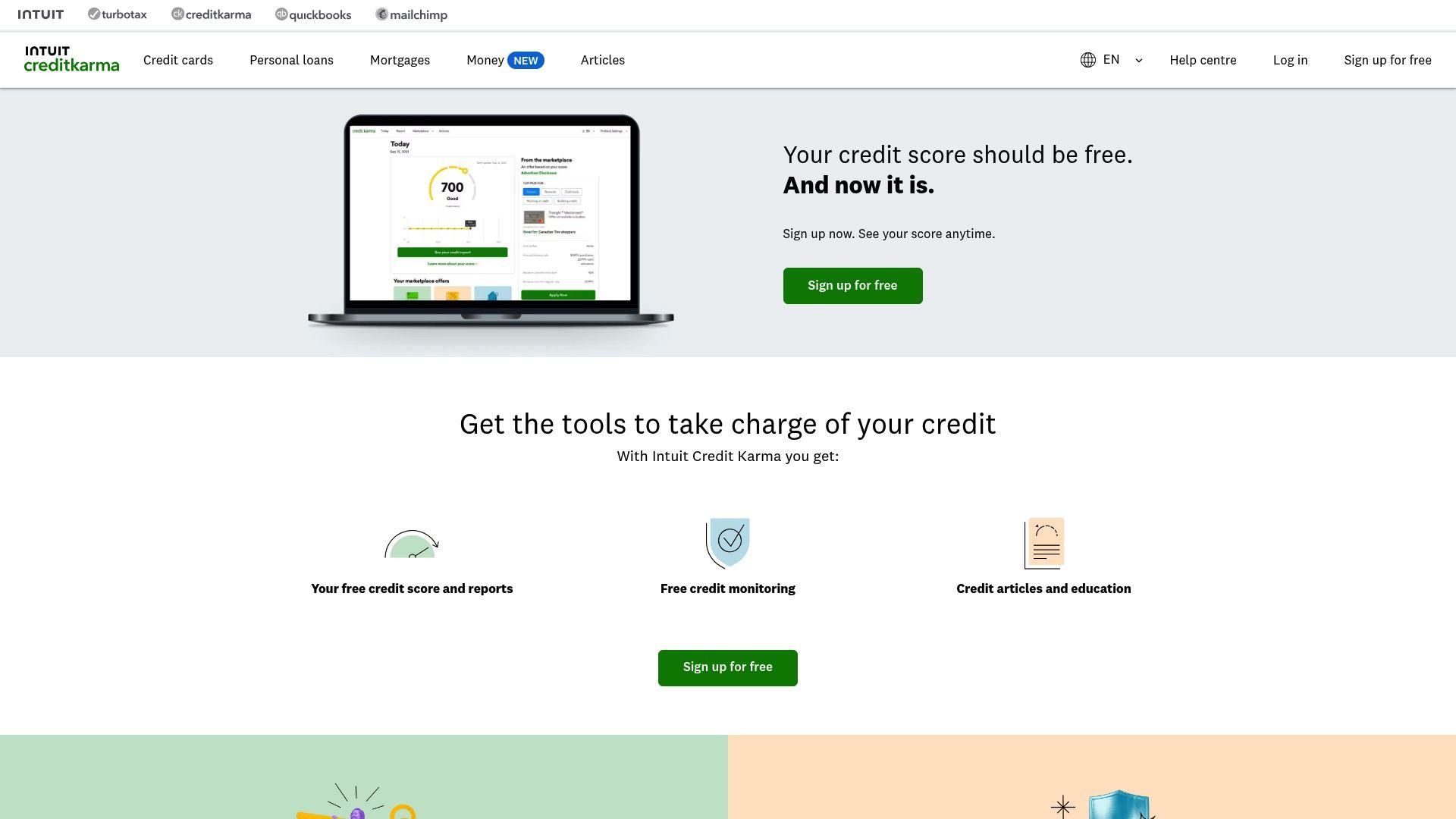
Acquired by Intuit for $7.1 billion, Credit Karma is a personal finance heavyweight with over 110 million members globally. It’s not a lender, though. The app functions as a credit broker and educational hub, giving you free access to your financial data, identity theft protection, and dispute tools. Revenue comes from affiliate commissions when members apply for recommended third-party products.
The Bull Case
The monitoring tools here are genuinely excellent. You get free daily updates from both TransUnion and Equifax, which means you can track changes to your file in near-real time and catch suspicious activity early.
The simulator feature is especially useful. It models how specific actions (such as paying down a large balance) would affect your score before you actually take any action. And by calculating approval odds based on real lender criteria, the app reduces anxiety and wasted hard pulls associated with blind applications.
The Bear Case
Because Credit Karma doesn’t offer its own builder loan or tradeline, you can’t actively create payment history through the platform. Instead, you’ll need to apply for third-party products surfaced within the app, and those almost always involve hard credit checks.
You also have to be your own filter. The volume of affiliate recommendations can be distracting, and third-party lenders’ fee structures vary widely. If your primary goal is safe, passive credit building, Credit Karma is a great companion tool, but not a standalone solution.
Key Metric: 110 million+ global members
The Bottom Line
Choosing the right app comes down to your specific goals and how you actually spend your day-to-day. If you want a passive, zero-interest tradeline with cash-back rewards baked in, KOHO offers one of the most well-rounded packages in the Canadian market. But if you’re focused on monitoring, rent reporting, or micro-advances, each platform fills a different niche.
Whatever you pick, prioritize apps that report to major bureaus and protect your downside risk. That’s the most reliable path to long-term financial health.