
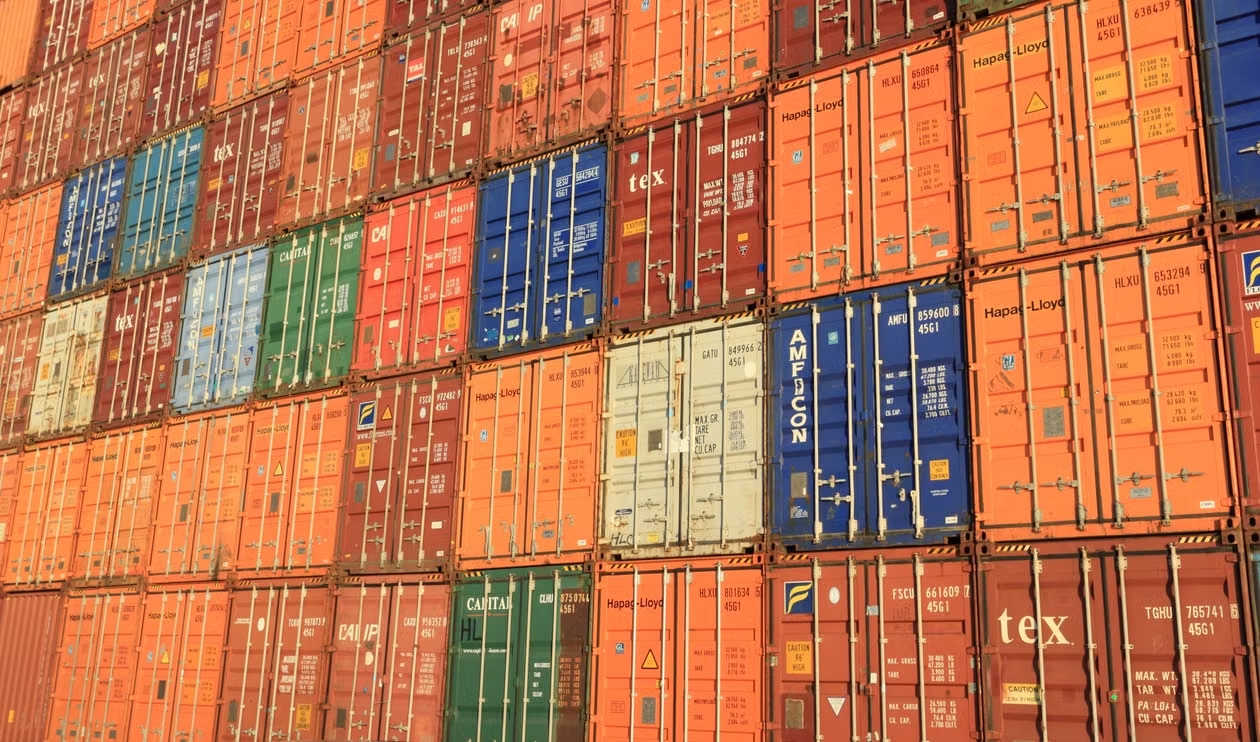

The path from a business to a customer can be a long one for a product. And it can be an expensive one for the business doing the shipping and managing related costs. Along the way, insurance costs, customs, and shipping expenses can dig into profit potential, and import tariffs can come into play, too.
Tariffs are taxes on products coming from other countries. When a product has an import tariff, everyone from importers to consumers will be impacted, and sometimes businesses will increase prices to make up for the burden. Stay with us as we explore how import tariffs change the true cost of doing business.
Understanding the True Cost of Products
If a company is buying appliances, like washers and dryers, from another country, the price may be higher than expected. A washer-dryer combo may cost around $2,000. But before the appliances reach the U.S., they will be subject to additional costs.
Shipping costs, like customs and insurance, can increase the overall product cost. And a tariff adds another layer of costs. A tariff may be around 11% of the product’s value, meaning that a $2,000 appliance bundle would actually cost $2,220 at a minimum.
For companies that import lots of appliances from overseas, these small costs can start to add up. And as a company tries to reach the goals mapped out in its business plan, new or higher tariffs can really hurt a financial forecast.
Looking at Customs Duties
Customs duties are taxes on products that move from one country to another. These duties can help create revenue for the home country’s government, and they can help domestic products stay viable as a potentially cheaper option. And customs duties force the businesses paying them to be more strategic.
The declared value of the products and classification can impact the customs duty cost. And some countries may face higher customs duties than others. In some instances, it may be possible to negotiate for lower tariffs, but that is never a given.
Companies working with big-ticket shipments may face the biggest challenges. An international shipment of automobiles for $3 million could come with a 10% tariff, for instance. That amounts to $300,000 in customs duties that the company may not have anticipated.
An auto company could need to price automobiles higher to make up for the added cost. Or they may need to cut costs in other areas. Tariffs could force businesses to reconsider how they do busines to maintain a positive balance sheet.
Seeing the Impact on Inventory
When a tariff goes into effect, a company may decide to avoid placing large orders for certain products. Or they may try to time an order before the tariff takes effect, meaning they’ll place a large order quickly. This action can harm cash flow, and it can lead to other costs, too.
A business may need extra space to house excess inventory. Leasing another warehouse can increase overhead costs, along with the need for insurance and security. And if consumer demand for a particular product dwindles, a company will be left with lots of products it doesn’t need.
Taking decisive action to store enough inventory is a financial risk. As a result, companies can lose profits when tariffs are present.
Passing Costs onto the Customer
Even when a business tries to find ways to absorb tariff costs, they might need to make additional changes to stay profitable. To combat poor margins, a business may need to raise prices. In other words, the consumer will shoulder some of the costs from tariffs.
With higher freight and insurance costs alongside tariffs, businesses might feel too much financial pressure. Ultimately, customers may need to be part of the solution by paying more.
Facing Financial Pressure
Some industries have dealt with bigger challenges than others after tariffs have gone into effect. And some companies have stepped up to voice their concerns about the financial hardship resulting from tariffs.
In California, for example, a watch retailer suing Trump administration over tariffs exemplifies the growing concern these taxes are causing. Tariffs can escalate costs on imports quickly, leading to hundreds of thousands of dollars in losses. When companies stick with their typical pricing strategy after tariffs are enacted, they will watch profits tank.
If a company has a solid profit margin, tariffs may not be as problematic. But companies with smaller profit margins don’t have that flexibility. If a company makes $20 from a $200 product, for instance, a tariff can gouge that profit margin since the product will be more expensive to create and sell.
Companies must weigh the cost of tariffs versus the landscape in which they operate. Competitive industries may require companies to keep prices lower and absorb costs. Otherwise, they could lose out on customers if they raise prices.
Calculating Shipping Costs
As fuel costs fluctuate and transportation access shifts, companies need to know the latest costs when they plan shipments. Kinks in the supply chain, cargo handling, and freight capacity challenges are among the other factors informing shipping costs.
Further, port fees, warehouse needs, and tariffs can tack on extra costs for businesses. What a supplier charges for a product may be well below what it costs to ship that product internationally. The true cost can cut into profit margins and force businesses to pass along costs to the consumer.
Businesses need to be smart about tracking costs at every step of a product’s journey. In doing so, they can create more reasonable prices that keep profits in check without overwhelming the consumer.
Determining the Impact of Tariffs
Many successful companies turn to imported goods to fuel their business plan. But when costs related to shipping, storage, operations, and tariffs come into play, businesses are dealt a financial blow. They need to weigh customer demand for products versus costs as they set prices.
Ultimately, tariffs put businesses in a challenging spot. But with proactive efforts to track finances and understand the industry landscape, businesses can take control of their future.