

Unexpected expenses are a fact of life for most Filipinos. While you can prepare for these instances by building up your emergency funds, having access to solid loans and credit lines is almost as important for achieving true financial stability. For many Filipino households, credit cards have emerged as the go-to option for effectively addressing these shortfalls. However, these are not readily available to everyone, particularly those with short credit and banking histories.
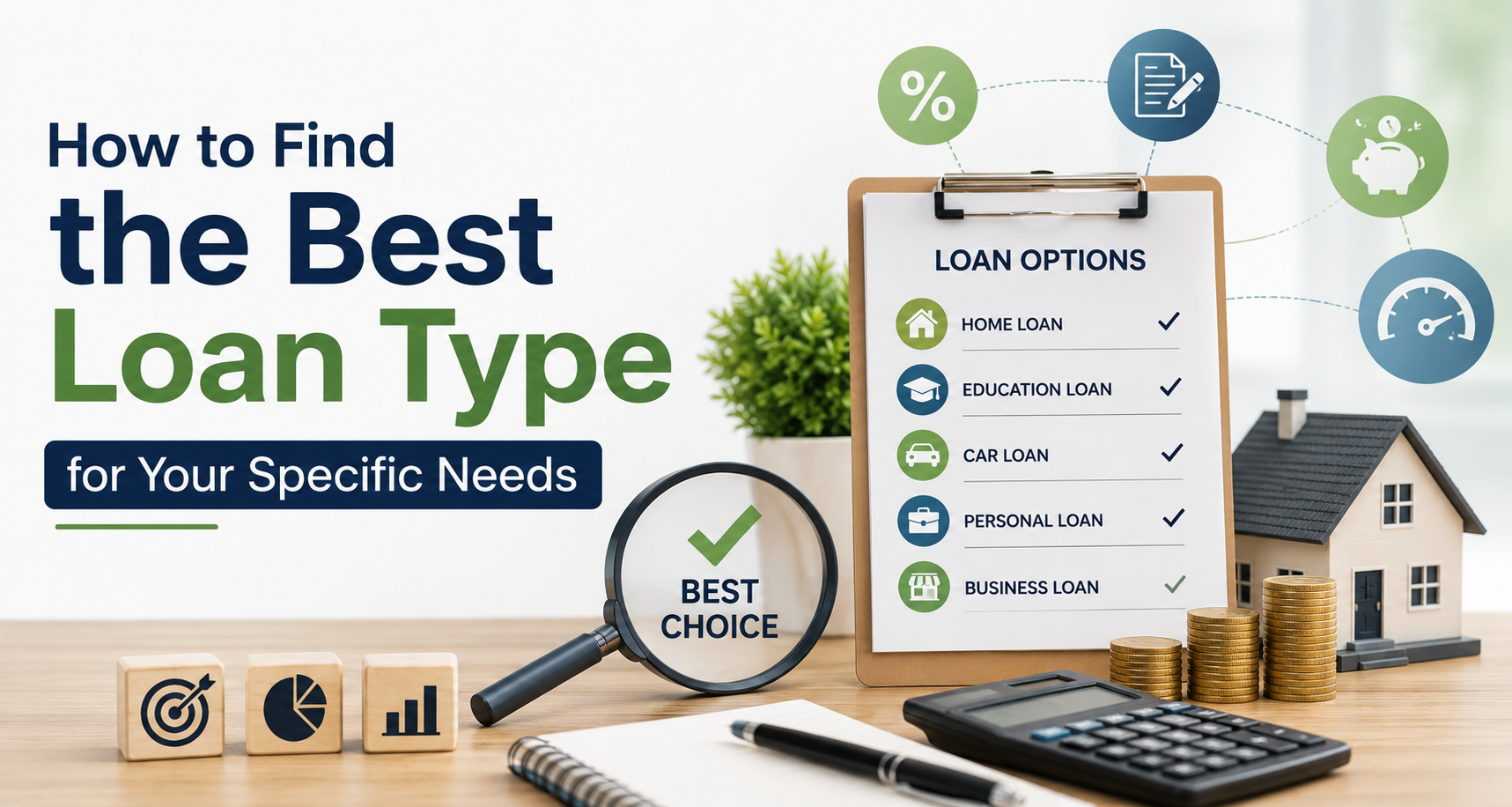
If you can’t qualify for a credit card or prefer not to rely on one, a personal loan can be a practical alternative, if not the better choice. But with so many different loan types available, finding the right one isn’t always so simple. With this quick guide, you can cut through all the marketing-speak and needless confusion, helping you short-list your options for different financial contingencies.
1. Only Shortlist Loans That Match Your Real Purpose
Some loans are tailored for specific purposes, such as auto loans or home improvement loans. With these products, fund usage may be scrutinized to ensure the money was used for intended purposes. On the other hand, options like personal loans online are more flexible and can be used for almost anything.
If you need quick, unsecured funds for unexpected expenses, personal loans from vetted digital banks might be ideal. Many of these options also have fixed repayment terms, simplifying payments on your end. Maya Personal Loan is one example of this. Offering funds of up to Php 250,000 that can be paid back in up to 24 months, this versatile loan can be used to settle tuition fees or cover the cost of renovating your home.
2. Look Beyond Interest Rates and Check for Hidden Fees
Interest rates don’t tell the whole picture. Indeed, many so-called low-interest loans also come with hidden fees, including origination fees, late payment fees, and perhaps most vexing of all, prepayment penalties that tack on more costs for early repayment. Read the fine print before committing to any sizable loan and get the help of a qualified financial expert, if necessary.
3. Consider the Potential Impacts of Terms and Repayment Periods
Longer terms can seem appealing due to lower monthly payments. However, most of these come with higher service and interest costs, which can make the loan far more expensive than the principal amount. Such fees are often necessary to protect lenders from unnecessary risks, which means that even in the best circumstances, new, unproven borrowers will find it difficult to qualify for long tenors with low repayments.
If you’re considering a personal loan for a big expense, take all the time you need to understand the total cost over the loan’s duration. Next, compare it with your ability to make consistent payments over that term. You might be surprised how much more appealing shorter terms with higher monthly payments can be when you have all the information in front of you.
4. Understand the Practical Implications of Secured and Unsecured Loans
A secured loan is backed by collateral, such as your home or car, while an unsecured loan does not require such guarantees. Credit lines and personal loans are often unsecured, which means you don’t need to risk valuable assets that could potentially be worth a lot more than the value of the loan. Be sure to weigh your options carefully, as the higher amounts from secured loans are not always worth the risk over the long term.
5. Evaluate the Precise Loan Amount You Need
Some loan types limit how much you can borrow, while others provide more flexibility. In all cases, you want to make sure you borrow only what you need and can afford to repay. Borrowing more than necessary can make your loan unnecessarily expensive and create indefinite, cascading impacts on your finances. Restrict the amounts to what you can reasonably and comfortably pay and avoid the urge to borrow more “just in case”.
6. Check Your Credit Score
While some lenders lean on it less than others, your credit score always plays a significant role in determining which loans and terms you qualify for. Before applying for loans or credit, take a few moments to request your credit report at the Philippine Credit Information Corporation website.
If your credit score is below average for someone of your income, you might consider taking steps to improve it before a crisis strikes and a loan becomes necessary. Even if you’re hesitant to “use credit to build credit”, you should, at least, pay down existing debt to avoid serious impacts to your credit score.
7. Look for Lenders Who Offer Flexible Terms
If you anticipate financial changes or emergencies, lenders that allow for deferred payments or other accommodations can make life so much easier. In particular, lenders that allow for early repayment without penalties can save you money in interest, particularly if you do not have a regular cash flow coming in. In any case, be sure to look for flexibility when comparing personal loan offers.
8. Check for Fast Processing and Disbursements
Speed matters, especially when it comes to urgent bills and medical needs. If you require immediate funds to cover an urgent expense, you need options with fast approvals and disbursement. Personal loans from digital banks typically have a quicker turnaround than secured loans, as there’s no collateral involved. Likewise, revolving credit lines can also be a solid option if you qualify for a high enough limit.
9. Research Lenders’ Reputations
Picking a regulated lender is a no-brainer, but the other aspects of their reputation also matter. Look into your prospective lenders and read reviews before making a commitment. It also helps to ask for referrals and check their customer service track record. If you’re unsure about a lender, reach out to their customer support to ask any questions you may have before applying for a loan. Those that lack transparency should be rejected from the get-go.
10. Make Sure You Can Actually Afford Your Loan
Lastly, the most important thing is to make sure you can actually afford the loan you want. Use a loan calculator to more accurately evaluate different loan amounts, terms, service fees, and interest rates and find which of your shortlisted options makes the most sense, given your regular expected income. After all, you do not want to gain temporary relief only to feel the pinch of payments and penalties years down the road.
The Right Loan Can Make a Big Difference
Amounts and tenors are important, but they only scratch the surface. Looking into the other factors we’ve laid out can ensure you have the fund flexibility you need, when you need it. Take the time to do your homework, and you’ll soon have a solid loan that doesn’t create prolonged impacts on your day-to-day cash flow.